
The first draft of this book came back from its concept review with a simple diagnosis. I had overthought it.
I had overthought the message, overthought the arguments, and I had been trying to speak to several audiences at once, which meant I was speaking sharply to none of them. The reviewer offered a free second look if I rewrote with a clearer sense of who it was for. Fair. Painful, but fair.
The strange part was working out why the draft had gone wrong, because I had worked hard on it. The problem, it turned out, was the working hard. The more I polished, the more things flattened. Short sentences tidied themselves into pairings. Specific advisory conversations abstracted into general claims. It stopped sounding like something written for one reader and started sounding like something pitched at a room. Anyone who has read much AI-generated text will recognise that flatness, which is exactly the point, and exactly the trap for someone writing a book about AI.
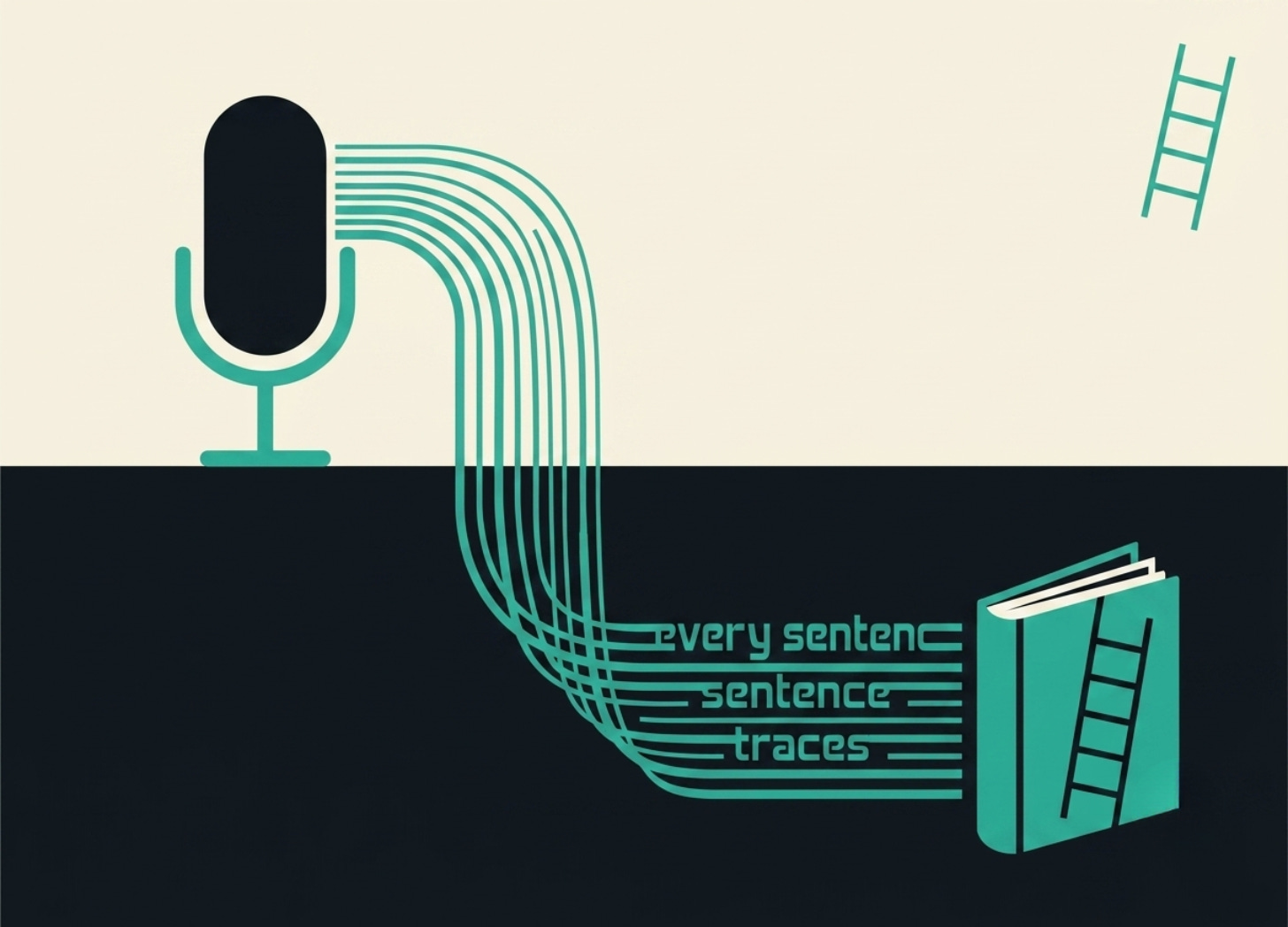
So the fix was to stop polishing in any recognisable sense of the word. I talked instead. I wrote my own interview for each chapter, a set of questions designed to draw out what I actually thought, then recorded myself answering them. Interviewing yourself and editing yourself is an odd process, and I am not sure I would recommend the first week of it to anyone. But when I talk to a client about AI displacement, I use certain phrases to their face, and those phrases are now the sentences in the book.
The part I get asked about most is the checking. Alongside the interview recordings, I built a voice-and-style profile from fifteen hours of my own meeting transcripts, actual client conversations. Every draft was measured against it. AI tools handled the mechanical work, organising transcripts, stripping filler, assembling drafts from the source material, and the guardrails were strict: no generating new substance, no rephrasing my words into a different register, no claims I had not made. The tools did not invent. Every sentence can be traced back to something I said out loud or wrote down earlier.
I am telling you this upfront, and in the book itself, because AI-generated writing in published books is a live issue, and because my credibility as the author of a book about AI depends on the book actually being mine. It would have been very easy to have a model write a plausible book on this topic in an afternoon. Plausible is the problem. I have spent two years watching what plausible-but-hollow does to professional work, which is roughly what the whole book is about, so the process had to be the argument as well as the method.
There is a fuller account in Appendix A, including how the sweep reports worked and what happened when a pass tidied a paragraph into something more abstract, which I will leave for the book. The short version is the one that matters. The tools shaped how the rewrite was assembled. The substance came from me. The book is mine, and the process existed to make sure it stayed that way.
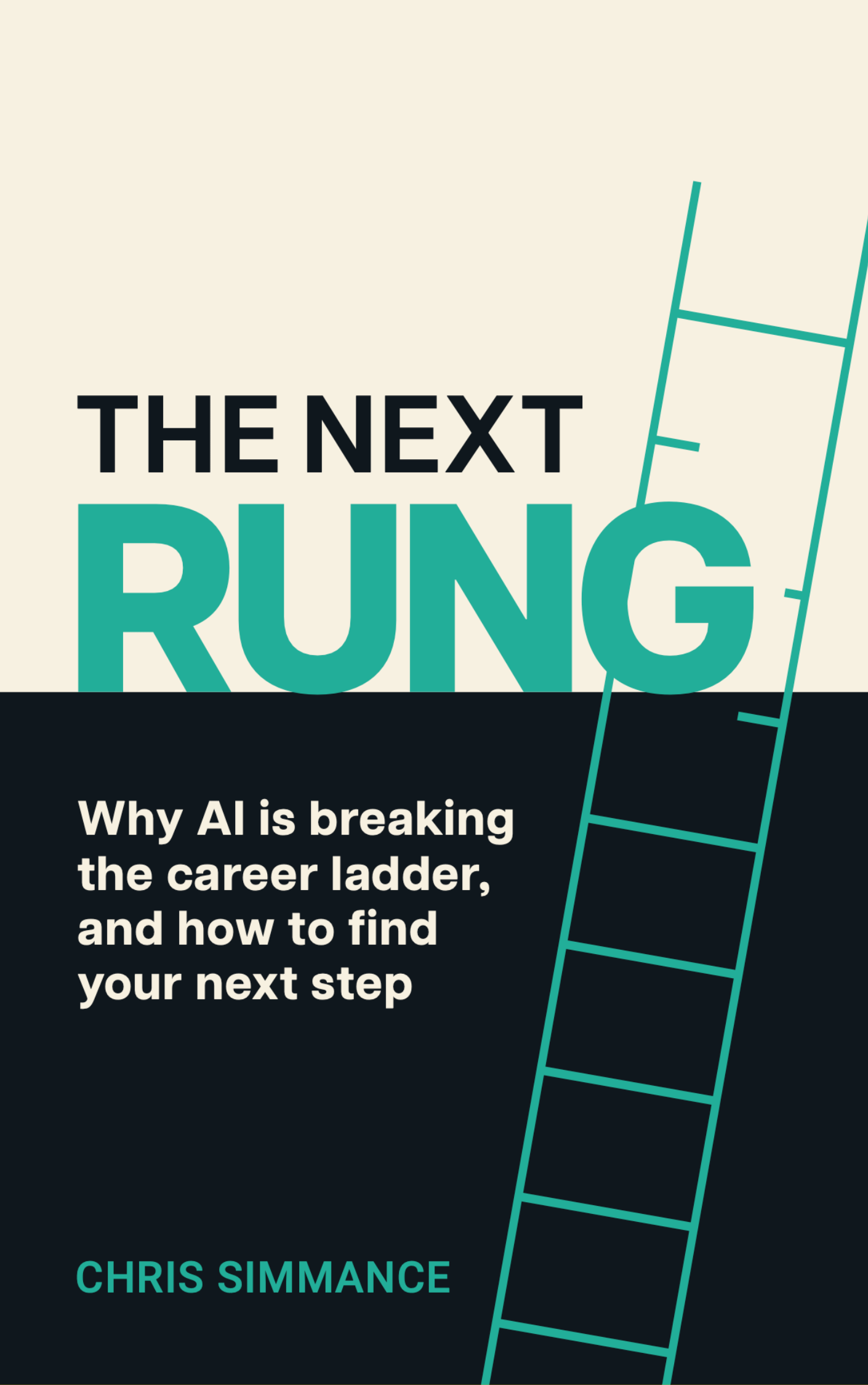
This is from the Preface and Appendix A of The Next Rung, my book on what AI displacement actually looks like from inside. It’s open for pre-order now: