
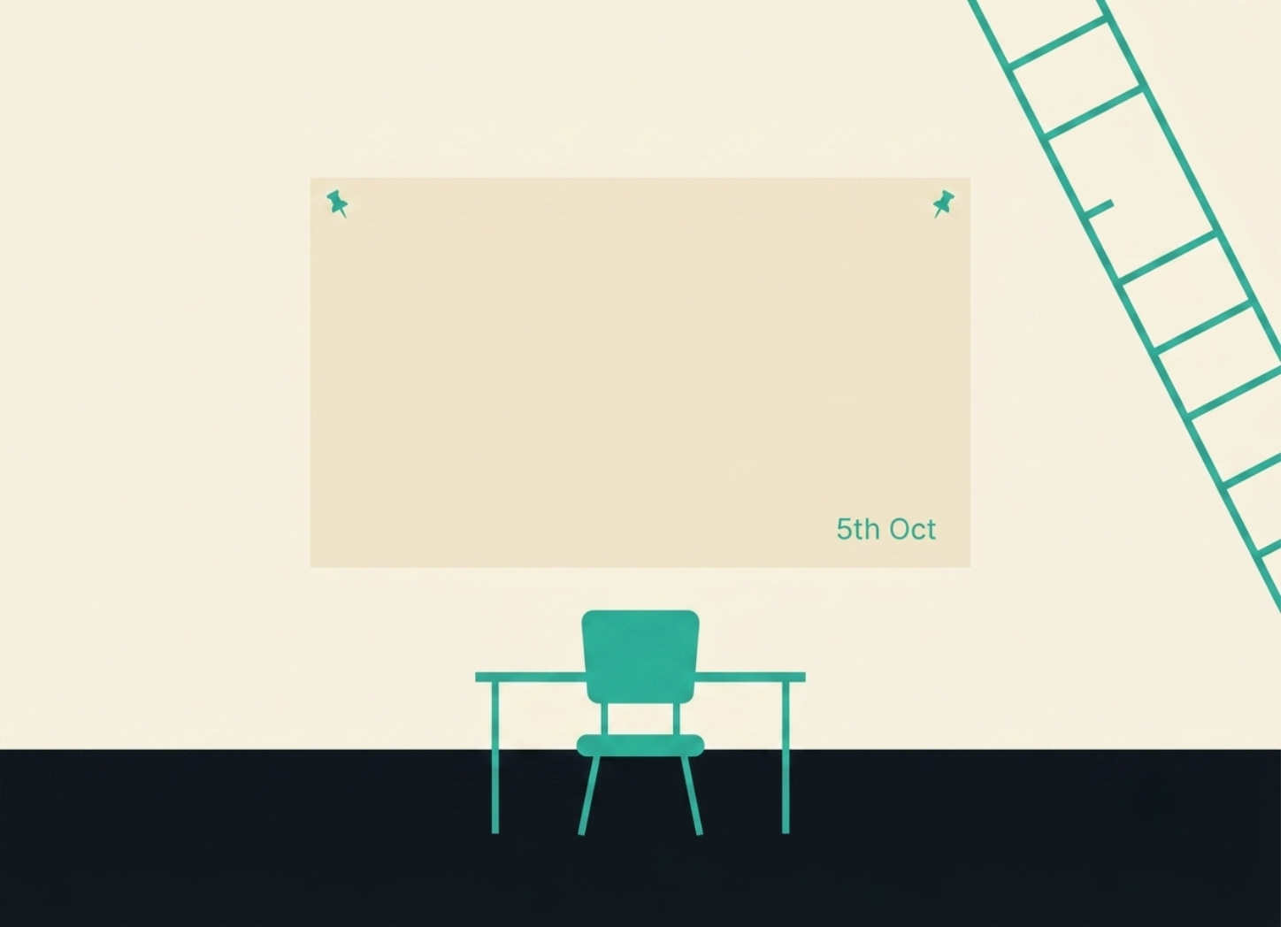
Tom does not know his job was cancelled.
He graduated from Bristol UWE last summer with a 2:1 in marketing. Forty-three applications over seven months. Six interviews, no offers. Three companies told him they were putting the role on hold. Three said they had gone in a different direction. He thinks the market is competitive. It is, but not in the way he imagines.
Here is the other half of the story, the half he will never see. In February, a digital agency in Bristol decided not to hire a junior account executive. The position had been in the hiring plan since November. Budgeted, approved, job description written and ready to upload. Then the managing director watched ChatGPT generate a client report in four minutes that would have been half the junior hire’s weekly workload. They pulled up the subscription cost: £240 a month. They pulled up the projected salary for a junior account executive in Bristol: £26,000 a year, plus employment taxes, pension, equipment, desk space, and the management time it takes to train someone fresh out of university.
And this is the bit I find most telling, having sat in a lot of rooms where this exact conversation happens. The managing director did not announce anything. There was no memo about evolving team structures. They just suggested putting a pin in it, waiting for contracts A, B and C to come through, or for something else. Nobody wants to say the callous mathematical bit out loud. Nobody wants to look like they devalue the work the rest of the team do. So the decision gets dressed up as timing, and everyone in the room lets it stay dressed up, and the position quietly stops existing.
That is what displacement actually looks like right now. No redundancy announcements. No press releases. No named event you could point a camera at. Jobs that would have been posted are not posted, which means the person who would have got the job never finds out it existed. Tom does not appear in any layoff tracker. As far as the statistics are concerned, nothing happened to him at all.
Chapter 4 of the book is built from stories like this one. Tom is the first. There is also a project manager whose Thursday meeting quietly shrank, a freelance consultant whose rate card has become a kind of monument, an auditor who did everything right, and a graduate who spotted the pattern early and did something about it, which is the one with some hope in it. What the individual decisions add up to, and why nobody inside any single company can see the whole picture, is where that chapter ends up. I won’t spoil the image it closes on, but it has stuck with everyone I’ve shown it to.
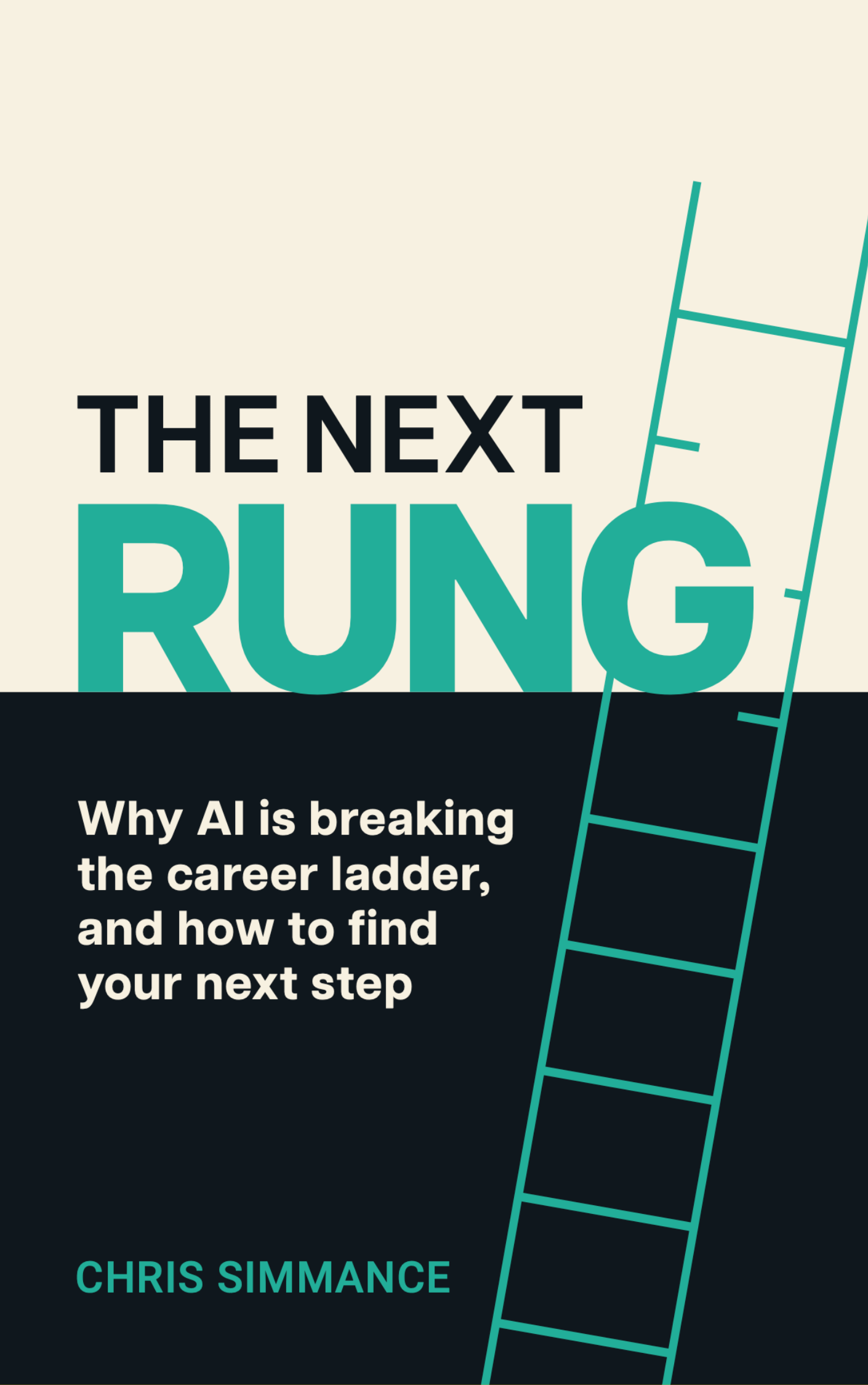
This is from Chapter 4 of The Next Rung, my book on what AI displacement actually looks like from inside. It’s open for pre-order now: